
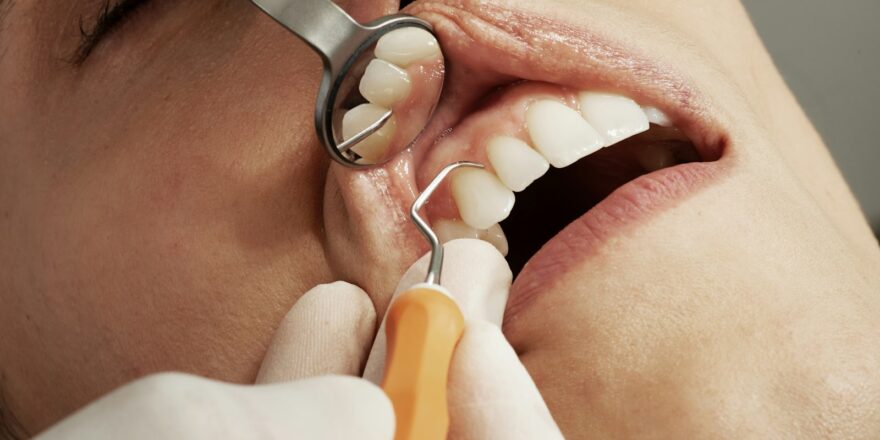
Dental Pain Is a Public Health Warning

The student had missed three mornings in one month. He told the school that his stomach hurt because he was embarrassed to explain the real problem. A tooth had been painful for weeks, and sleeping had become difficult. By the time he reached a clinic, a small cavity had become an infection requiring more complicated treatment.
Dental pain is often treated as a private inconvenience rather than a public health issue. The mouth is separated from the rest of the body in insurance systems, clinics, and public discussion. Yet untreated oral disease affects nutrition, speech, concentration, sleep, and the ability to work or attend school.
Cost is one reason people delay care, but it is not the only one. Rural areas may have few providers. Appointments may require time away from hourly work. Some patients have had frightening experiences and avoid returning until pain becomes unbearable. Others cannot find a clinic equipped for disability, complex medical needs, or communication in their language.
Emergency departments frequently see people with severe dental pain, but they may be able to provide only temporary relief. Antibiotics and pain medicine do not repair a damaged tooth. Without access to follow-up treatment, the patient returns to the same problem with less time and more risk.
Prevention begins with ordinary measures such as brushing with fluoride toothpaste, reducing frequent sugar exposure, and receiving regular checks. Public systems can support these habits through school programs, water policy where appropriate, affordable preventive visits, and education that avoids blaming people for conditions shaped by income and access.
Schools can notice warning signs. A child who avoids eating, covers the mouth while speaking, or becomes unusually irritable may be managing pain. Referral pathways should protect privacy and connect families with actual services rather than simply sending a note home.
Dental care should also be integrated with other health care. Diabetes, pregnancy, medication use, smoking, and certain disabilities can influence oral health. Physicians and dentists need systems for sharing relevant information and referring patients in both directions.
The economic argument is straightforward. Treating disease early is usually less expensive than managing infection, missed work, emergency visits, and complex procedures later. The human argument is stronger. No one should have to wait until pain becomes visible enough to be believed.
A painful tooth is small, but its effects spread through the day. Public health becomes more complete when the mouth is no longer treated as a separate body part with separate importance.
Author: B. El-Sayed