
Delivery Workers Face Heat One Address at a Time

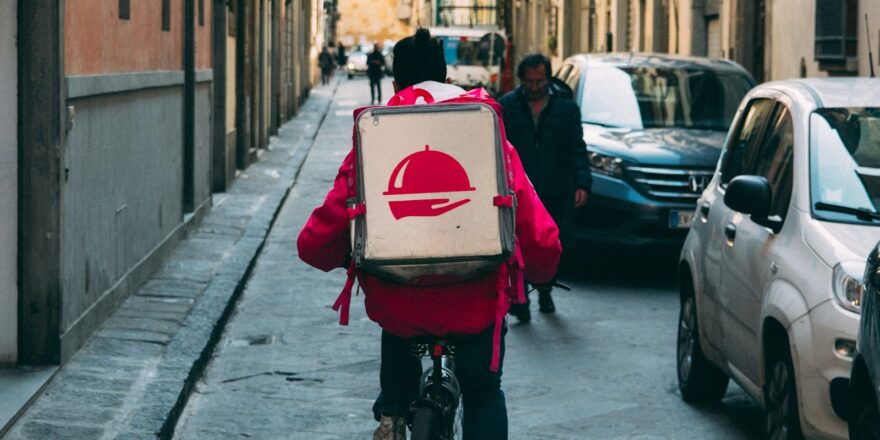
By noon, the phone showed six more orders. The rider's shirt had dried and become wet again several times. He knew the shaded convenience store would let him refill water, but stopping meant missing the next offer and lowering the day's earnings.
Heat risk is often discussed as a matter of personal caution. Workers are told to drink water, wear light clothing, and rest when dizzy. These actions are important, but they become difficult when income depends on speed and availability.
Delivery workers spend long hours on roads that store and reflect heat. Helmets and protective clothing reduce injury in a crash while trapping warmth around the body. Traffic delays extend exposure, and apartment buildings may require riders to climb stairs or wait outside locked entrances. Each order adds a small demand that accumulates across the shift.
Digital platforms influence the choices without appearing physically at the roadside. Incentives may reward completing a certain number of deliveries during the hottest period. Declining orders can affect access to future work. Customers see an estimated arrival time but not the rider's body temperature, water supply, or last break.
Effective heat protection must therefore change the work system. Platforms can suspend penalties during extreme conditions, adjust delivery promises, provide paid rest periods, and create accessible water and cooling points. Restaurants and building managers can allow workers to wait indoors rather than in parking areas.
Training should explain early signs of heat illness and make clear that confusion, fainting, or loss of coordination requires urgent help. Workers need a way to report danger without losing income or being removed from the platform. Emergency plans should account for people who work alone and may not have a supervisor nearby.
Customers have a role too. Accurate addresses, quick responses, shaded drop-off locations, and patience during heat alerts reduce unnecessary exposure. Tipping cannot replace labor protections, but respect can prevent the final minutes of an order from becoming more difficult than necessary.
Cities can map public water stations, restrooms, and shaded routes. Tree cover and safer cycling infrastructure improve conditions beyond delivery work, helping street vendors, construction crews, cleaners, and anyone whose job takes place outdoors.
The package at the door makes the labor look brief. In reality, it is one point in a long day of sun, traffic, waiting, and calculation. Heat safety begins when the worker behind the arrival time is treated as a person rather than a moving symbol on a screen.
Author: T. Ferreira