
What Supermarkets Do With Unsold Food Matters

Near closing time, the bakery shelves still looked full. Abundance reassured customers, but it also meant that dozens of loaves would not be sold. Some could be marked down, some donated, and some frozen. Others would be discarded because the store had no system ready when the doors closed.
Supermarket food waste is easy to notice in a dumpster and harder to understand across the entire operation. Stores must keep products available, meet safety rules, manage unpredictable demand, and protect their reputation. A manager who orders too little faces empty shelves. A manager who orders too much creates waste that may remain hidden from customers.
Better forecasting can reduce the problem, especially when stores use weather, holidays, local events, and past sales to adjust orders. Technology helps, but it cannot predict everything. A sudden storm may keep shoppers home. A viral recipe can empty one shelf while nearby ingredients remain untouched.
Appearance standards contribute to waste before food reaches the store. Produce may be rejected because it is unusually shaped, small, or marked even when it is safe and nutritious. Retailers can create lower-priced sections for imperfect items, but those programs should not become a marketing excuse while strict cosmetic contracts continue upstream.
Markdowns work best when they happen early. A product reduced while it is still appealing is more likely to be purchased than one discounted at the final hour. Clear date labels also matter. Customers often confuse quality guidance with safety deadlines and discard food that could still be eaten.
Donation can redirect edible food, but charities should not become disposal services for whatever a store cannot sell. Recipient organizations need predictable timing, safe transport, refrigeration, and products that match community needs. A truckload of pastries may be generous and nutritionally incomplete.
Food that cannot be eaten may still be used for animal feed, industrial processing, or composting. These options are better than landfill, where decomposing organic material can produce methane. Prevention remains preferable because every wasted item also contains the water, energy, labor, and transport used to produce it.
Measurement changes behavior. Stores should track waste by type and reason rather than reporting only a total weight. Was the product damaged, overordered, rejected for appearance, or left after a promotion? The answer identifies where the system can improve.
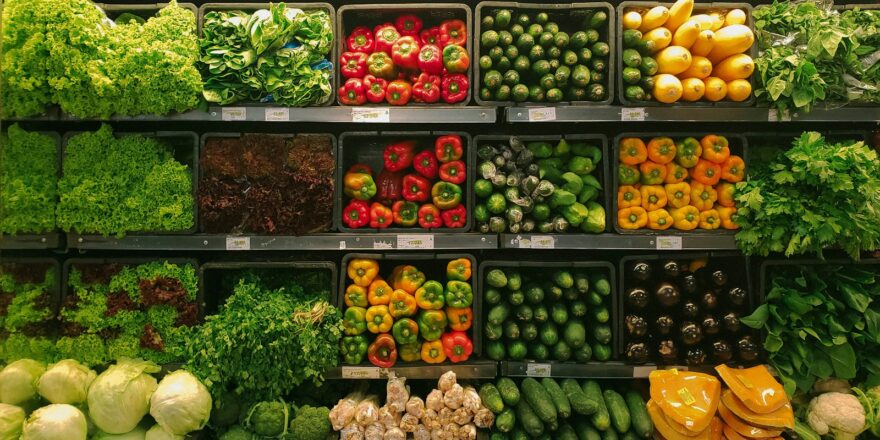
A full shelf is not always evidence of good service. Sometimes it is evidence that waste has been designed into the shopping experience. Retailers can preserve choice without pretending that every display must look untouched until the final customer leaves.
Author: A. Kowalski